

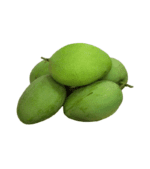
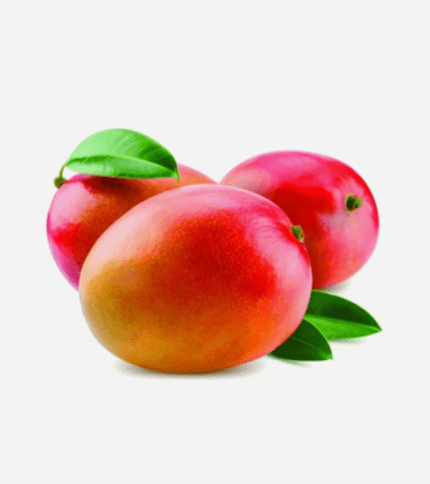

Best place to buy Imampasand Mangoes
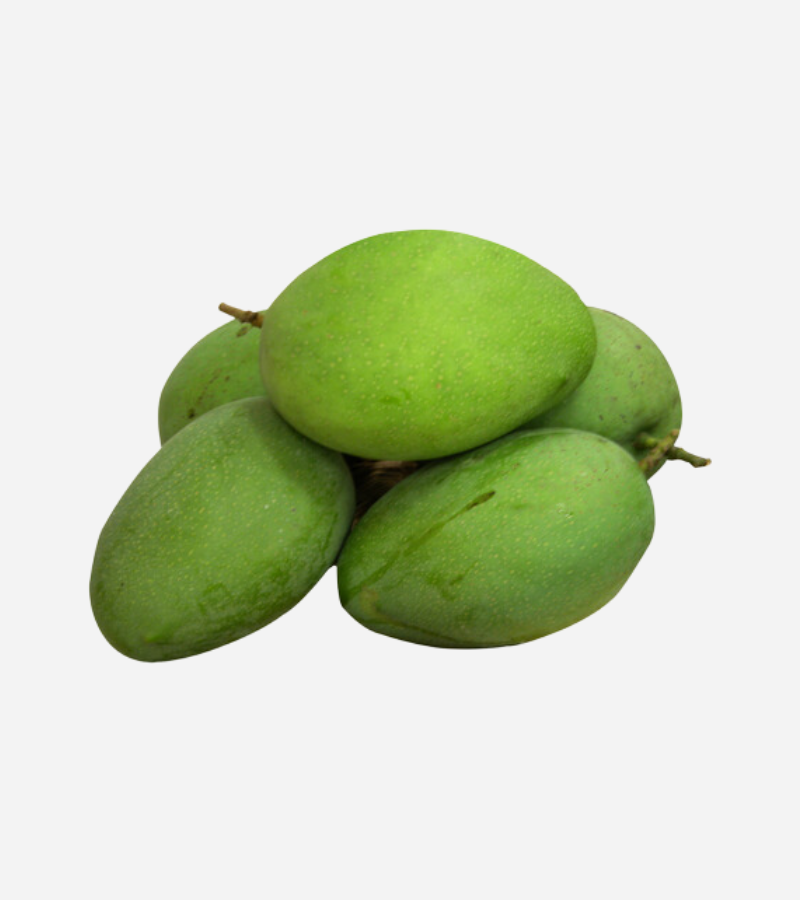
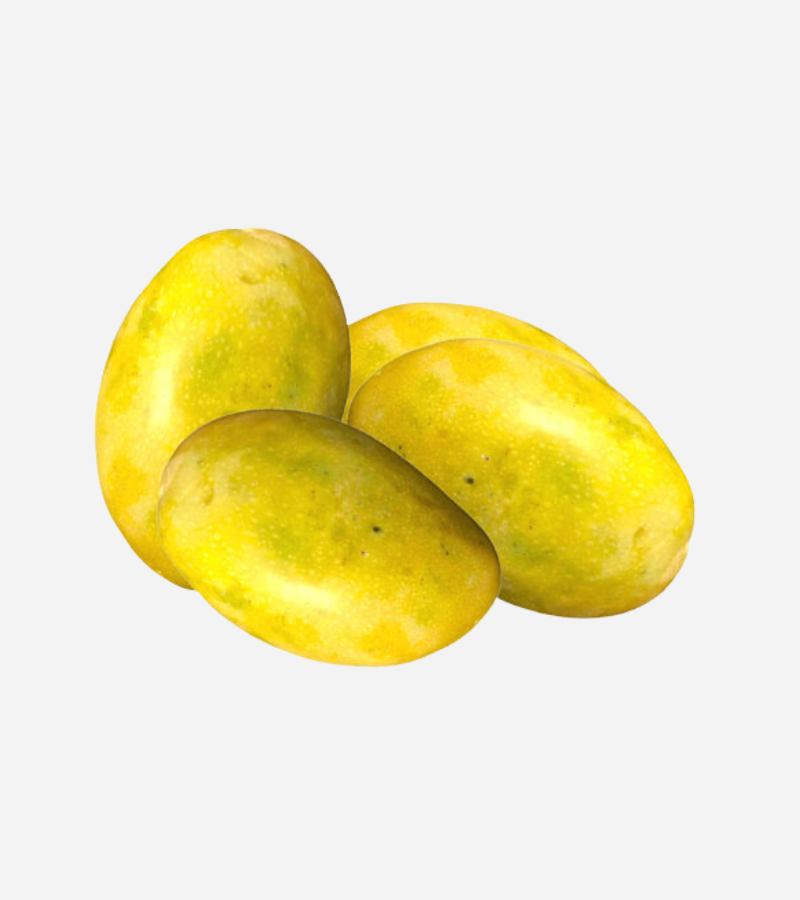
FreshToAll offers the best premium quality ImamPasand mangoes that are nature-friendly and carbide free. ImamPasand Mangoes are excellent in quality because we do not use any harmful Carbide gas treatment to ripen the mangoes. But what really sets ImamPasand mangoes apart is their impeccable taste with a sweet aroma that promises a fresh flavor when ripened naturally. Our Mangoes are naturally ripened and handpicked at peak flavor. You’ll never find a more aromatic or delicious mango again. Getting your hands on these rare fleshy fruits is simple, just visit our online mangoes store to order farm-fresh organic mangoes and get mangoes delivered to your doorstep directly from our farm!
ImamPasand or Imam Pasand or Himayat or Himam Pasand or Himayuddin or Humayun Pasand or Himma pasand is a lesser-known and exclusive mango cultivar, grown in Andhra Pradesh, Telangana and Tamil Nadu states in India. The names suggest regal origins and it is said to have been the fruit of choice for India’s royalty.
It is available only during the months of May and June and each mango could grow up to 800 grams in weight. It is prized by connoisseurs for its unique taste, and it has been considered the ‘King of Mangoes: Many mangoes are initially sweet but are undone by aftertastes which can be harsh, rank, chalky, or chemical (thanks to the turpentine that some varieties naturally contain) – unlike Alphonso, with their aroma and incredibly rich smoothness of its aftertaste. The Imam Pasand’s aftertaste is quite different, with hints of coconut and lime, a brightly spicy-sour Thai curry to the suave Mughlai curry richness of Alphonso’s. A bite into one of these mangoes will reveal a tangy outer layer that hides the sweet flesh inside.
The origin of the prized variety’s Hindi/Urdu name (which translates as ‘The Imam’s Favorite’) is lost in the mists of time. Some say it was originally grown in Kerala and was beloved by the Mughal emperor Humayun (and was called Humayun Pasand). This fruit known as Himayat in Andhra was supposedly introduced in Tamil Nadu by the family that owns the Thathachariar Gardens, a sprawling estate at Srirangam.
Health Benefits of Imampasand Mangoes
Imampasand mangoes are a good source of nutrients and minerals like vitamins A, B, C, and E. They also contain minerals like Manganese and Polyphenols which are antioxidants that protect our cells from free radicals, and it also helps our body with digestion, heart health, skin conditioning, and blood pressure regulation. Imampasand mangoes also have a high content of vitamin B12 which boosts immunity.
ImamPasand mangoes contain powerful antioxidant called alpha-carotene and beta-carotene, which helps fight cancer and heart disease. The fruit also contains potassium and low quantities of sodium and cholesterol. As such, Imampasand is recommended to diabetics due to its low sugar content.
Imampasand mangoes from our farm are carbide free, preservative free, chemical free, and direct from the farm with excellent taste and aroma. Mangoes have a low glycemic index, meaning that they will not cause an unhealthy spike in blood sugar levels after consumption. Our mangoes are organic, providing you with the healthiest mango fruits on the market today.
For Premium Quality Organic IMAMPASAND mangoes order online now for deliveries in and around Chennai. FreshToAll Chennai delivers the best quality farm fresh naturally ripened mangoes directly to your home.
How to naturally ripen mangoes:
- Open the Carton boxes sent by FreshToAll and take mangoes out of the Carton boxes to spread mango fruits on top of one layer of paddy husk or wheat straw, then add another layer to the top. Leave for a minimum of 4 ~ 8 days to ripen naturally.
- Submerge the mangoes in a bowl of uncooked rice and leave for a minimum of 4 ~ 8 days to ripen naturally
- Using a Paper Bag or a Newspaper – Put the mangoes in a paper bag or cover it with a newspaper and leave it undisturbed for 4 ~ 8 days for the mangoes to release some ethylene, an odorless gas that speeds up the ripening process. Take the mangoes out when you start getting the fruity smell
How to identify if mangoes are ripe and ready to eat?
- Smell the mango for the most reliable results. Sniff the stem end of the mango, If it has a heavy, fruity, almost musky odor, it is ripe. If you’re struggling to find an aroma; chances are your mango isn’t quite there yet.
- Squeeze the mango gently after you’ve sniffed. If it is soft it means mangoes are getting ready for ripening.
- Don’t rely on color to judge the ripeness of a mango. Although most ripe mangoes will also feature rich reds and burnt yellows more than soft greens, ripe mangoes are not always red and yellow. So, forget the look of mangoes when determining ripeness. Instead, use smell and softness as your guide.
- Don’t be scared away by a few black spots on the surface of the mango skin. Some people are scared away by mangoes that have a few splotchy, black blemishes on them.
Storing Mangoes in Refrigerator:
- Place mangoes in the refrigerator only when it has ripened. Keeping the mango in the refrigerator will slow down the speed at which the mango continues to ripen. Like all tropical fruits, mangoes should not be stored in the fridge before they are ripe, as the fruit might be damaged by the cold temperature and the refrigeration will halt the ripening process.
IMPORTANT NOTE:
- Mangoes are organically produced and naturally ripened. Mangoes are packed in raw or semi-ripe conditions to withstand transport time. Fruit will mature to full sweetness and aroma after arrival.
- Do not refrigerate the mangoes unless fully ripe. Usually delivered in 3-6 business days. Delivery is available in Tamil Nadu and all over India.
- Each Mango is around 400-600 grams in size.
- Organic farm fresh IMAMPASAND Mangoes directly from the farm
- Naturally ripened Mangoes
- No Chemicals or Calcium Carbides are used for ripening Mangoes
- Excellent sweet aroma with peculiar flavor, sweet in taste, fiber-less flesh, and abundant juice.
- Fruits are weighed at harvest time and a 15-20% weight reduction can occur due to moisture loss. Do not Store Fresh fruits in the refrigerator and keep them away from sunlight. Due to rising temperatures, one or two mangoes may reach you in overripe conditions.